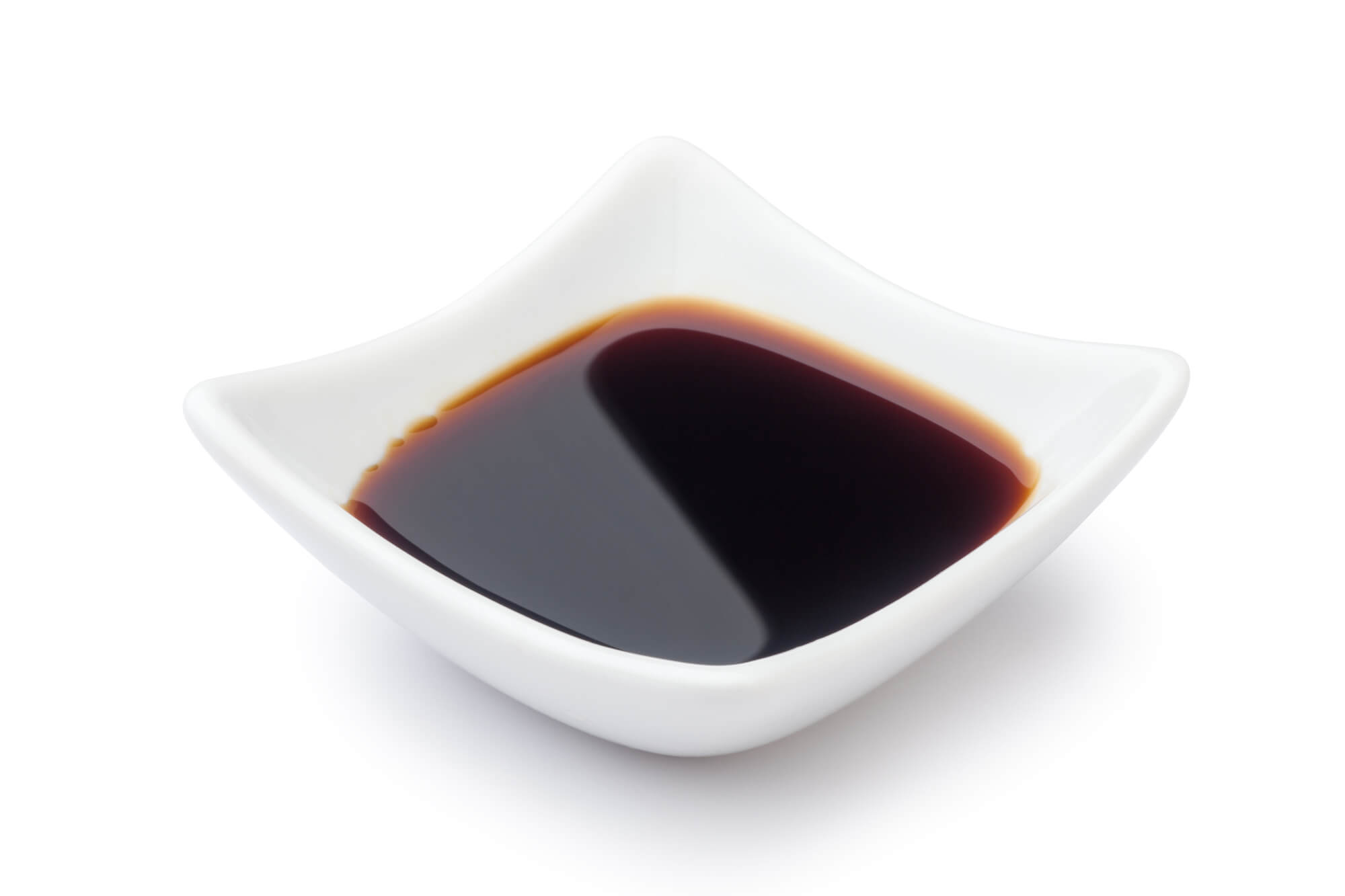
Properties: Sour and salty, neutral
Meridans Entered:
Primary: None given
Traditional Actions/Indications:
- Clears Heat and resolves Toxicity
Toxicity from medicines, fish, meat, some vegetables, mushrooms, burns, snake bites and worms
- Stops vexation and fullness
Indigestion, bloating and discomfort
Suggested Daily Dosage: 3-30 ml in food or added to a decoction.
Cautions: Sodium content may make it unsuitable for people with high blood pressure.
Notes:
Taken from the Materia Dietetica (Shiwu Bencao 食物本草) by Lu He 卢和 from the Ming Dynasty. Soy Sauce is described in the following fashion:
醬 味酸鹹,氣汁利,除熱,止煩滿,殺百藥、魚肉、菜蕈及湯火、蛇蟲等毒。純豆者佳,豆麵合作及純面者俱不及。麵醬亦無毒,但不能殺諸毒。
[Soy] Sauce: Flavour: Sour and salty, its qi juice is favourable, it eliminates heat, stops vexation and fullness, and weakens the poison of the hundred medicines, fish, meat, some vegetables, mushrooms, hot water and fire, snakes and worms and so forth. The pure beans are the most exquisite; without exception the bean flour mixed with pure flour is not as good. Flour sauce is also non-poison, but it is unable to weaken all poisons.
The traditional method of manufacture is as follows:
- Soak soybeans in spring water overnight.
- Cook the soy beans until they are rather mushy (250 grams).
- Let them cool off.
- Roast wheat berries (optional).
- Add wheat berries to the soy beans on a tray by mixing them in evenly.
- Add Koji culture (a strain of Aspergillus oryzae, a fungus used for various culinary purposes) to the tray by gently stirring it in.
- Let it ferment under a muslin or cheese cotton cloth for a few days until a sweet smelling white fungus has formed.
- Add the mix to brine (ratio salt: water 1: 6-7) in a 2 litre container.
- Cover the container with muslin or cheese cloth.
- Stir daily to prevent unhealthy mould until about 6 weeks.
- Stir once a week from week 6 until the end (approx. 14 months).
- Over time the colour will become darker.
Does not appear in any formulae listed on this site
Research Links & References: (click to display)
Research Links:
Reference Notes:
Individual herb information has sourced mainly from TCM Wiki and American Dragon for basic data and then updated manually with my own notes. Zhou, Xie and Yan (2011): Encyclopedia of Traditional Chinese Medicines, Vol. 5, and A+ Medical Encyclopaedia have been used for entries not available from those sources with additional material searched for and filled in where available. Western herbs not appearing in the Chinese literature have used Ross (2010): Combining Western Herbs and Chinese Medicine: A Clinical Materia Medica, White Rabbit Institute of Healing and therapeutika.ch. Choices of which source to use or combine have been my own.
These pages are intended to assist clinicians and are not intended for self-diagnosis or treatment for which a qualified professional should be consulted. Actions and indications are taken from traditional uses and do not necessarily reflect the evidence base which should be researched independently. Dosages are for guidance only and will vary dependening on the potency of the batch and the tolerance of the individual so should be evaluated by a professional based on individual needs.