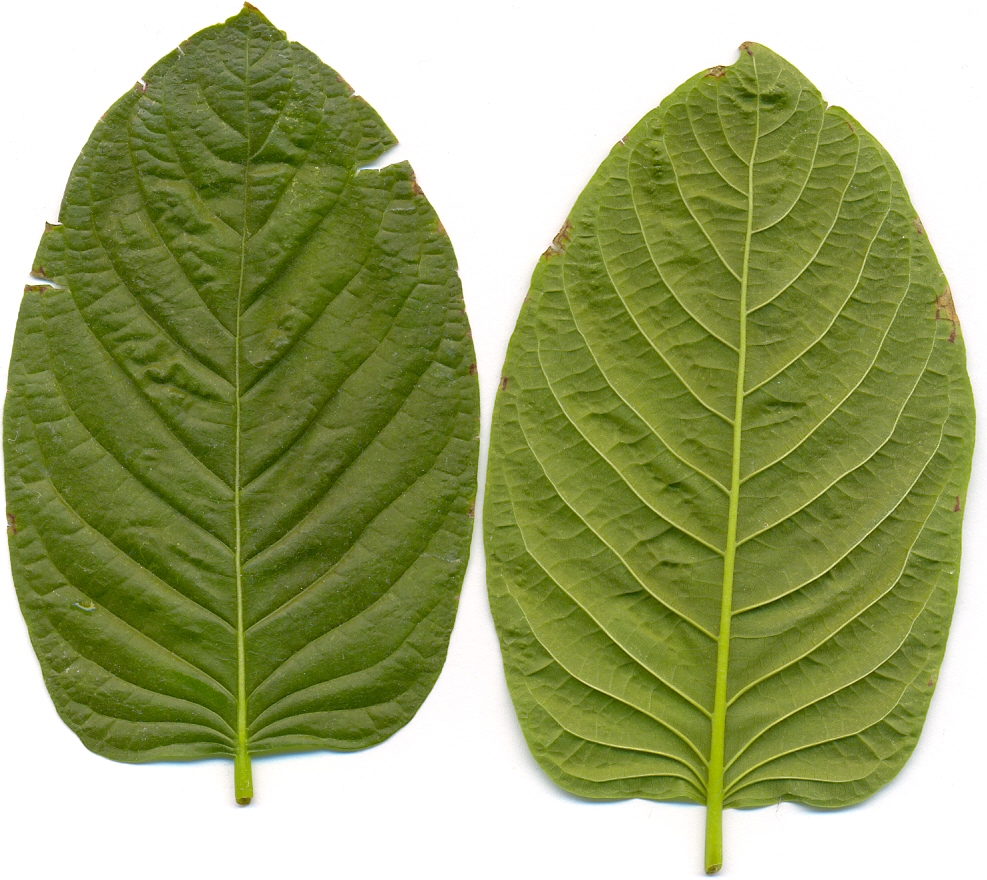
Properties: Bitter, neutral
Meridans Entered:
Primary: Liver, Lung, Spleen, Heart
Traditional Actions/Indications:
- Regulates Qi and alleviates pain
Musculoskeletal pain
Low energy, low libido
Topically to heal wounds and alleviate pain from injury
- Stops coughing
Cough
- Regulates the Spleen and stops diarrhoea
Low appetite, diarrhoea, intestinal infections, worms
- Raises the Spirit
Low mood with lack of energy
Traditionally used to receive guests and during ritual worship
Suggested Daily Dosage: Traditionally chewed as leaves or brewed as tea but often sold as powder or extracts today.
Cautions: Contains stimulatory and opioid-like substances that may be toxic. Common side effects include appetite loss, erectile dysfunction, nausea and constipation. More severe side effects may include respiratory depression, seizure, addiction, and psychosis. Other side effects may include high heart rate and blood pressure, trouble sleeping, and liver toxicity. Death is possible at high doses or if mixed with other substances. When use is stopped, withdrawal symptoms may occur.
Notable Constituents:
- Mitragynine
Monoterpenoid indole alkaloid that makes up 0.5-1.5% of the total weight of kratom leaves. It binds to opioid receptors (primarily mu) giving its analgesic effect and also has an effect on dopamine D2, adenosine, serotonin, and alpha-2 adrenergic receptors too, although exact mechanisms are unclear.
- 7-Hydroxymitragynine
Oxidized derivative and active metabolite of mitragynine present in much smaller concentrations.
Notes:
Traditional actions have been inferred based on indications and are not from an official pharmacopoeia.
Does not appear in any formulae listed on this site
Research Links & References: (click to display)
Research Links:
Reference Notes:
Individual herb information has sourced mainly from TCM Wiki and American Dragon for basic data and then updated manually with my own notes. Zhou, Xie and Yan (2011): Encyclopedia of Traditional Chinese Medicines, Vol. 5, and A+ Medical Encyclopaedia have been used for entries not available from those sources with additional material searched for and filled in where available. Western herbs not appearing in the Chinese literature have used Ross (2010): Combining Western Herbs and Chinese Medicine: A Clinical Materia Medica, White Rabbit Institute of Healing and therapeutika.ch. Choices of which source to use or combine have been my own.
These pages are intended to assist clinicians and are not intended for self-diagnosis or treatment for which a qualified professional should be consulted. Actions and indications are taken from traditional uses and do not necessarily reflect the evidence base which should be researched independently. Dosages are for guidance only and will vary dependening on the potency of the batch and the tolerance of the individual so should be evaluated by a professional based on individual needs.