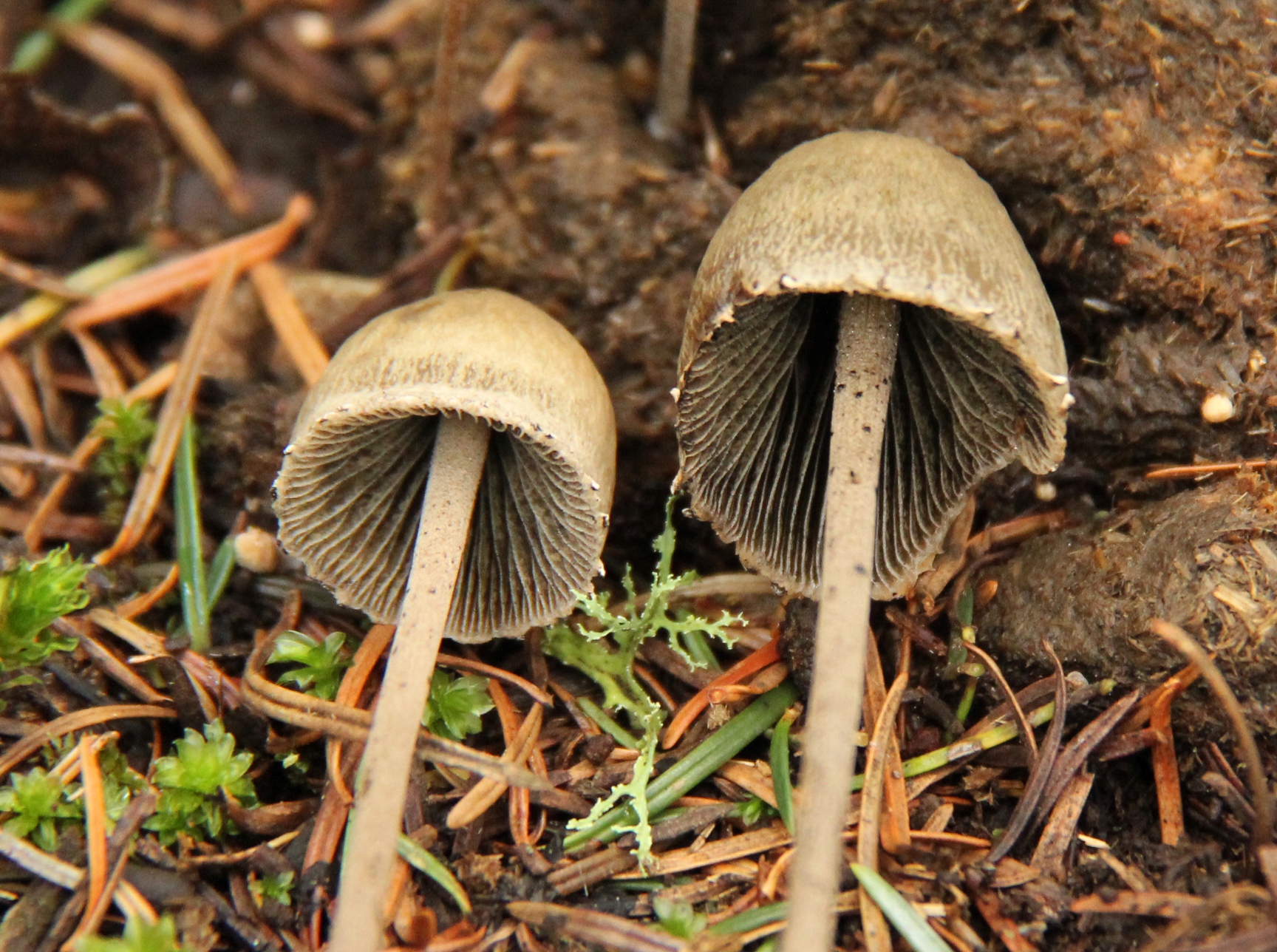
Properties: Pungent, sweet, slightly bitter, neutral
Meridans Entered:
Primary: Liver, Heart
Traditional Actions/Indications:
- Raises the Hun to ride on clouds, communicate with Heaven, and see Ghosts and Spirits
Difficult to treat depression, especially if accompanied with a sense of disconnection from spirituality.
Suggested Daily Dosage: 1-6g in decoction.
Cautions: Hallucinogenic so do not take long term. Generally administered as a single dose and not repeated for some months.
The power of hallucinogenics to raise the Hun also lifts severely depressed Liver Qi. This makes them potentially useful for recalcitrant depression but capable of damaging the connection between the Shen and the Blood resulting in psychotic breaks if used irresponsibly.
Notable Constituents:
- Psilocybin
Hallucinogenic tryptamine alkaloid and serotonergic agonist that is being investigated for the treatment of depression, anxiety and Stage IV Melanoma.
- Psilocin
Hallucinogenic tryptamine alkaloid with effects that resemble LSD or DMT.
- Baeocystin
Another hallucinogenic tryptamine alkaloid and analogue of psilocybin.
Notes:
Actions, indications and properties have been inferred based on known actions and properties and the few texts I could find. These include:
- Chen (2021), Hallucinogen Use in China, Sino-platonic Papers, 318, October, 2021
- Sauer (2020), Magic Mushrooms
- Li (1977), Hallucinogenic Plants in Chinese Herbals, Botanical Museum Leaflets 25(6)
- Wikipedia article
Sauer claims that the Spleen is responsible for trips and psychotic behaviour when I have always been taught that it was the Liver: the Liver houses the
Hun and opens into the eyes and thus responsible for dreams and hallucinations, and also for certain forms of depression.
Chen describes several types of hallucinogenic mushrooms under different names mentioned by
Ge Hong but does not undertake a botanical identification. However, he does provide some descriptions of their effects that are the basis of my actions/indications.
Does not appear in any formulae listed on this site
Research Links & References: (click to display)
Research Links:
Reference Notes:
Individual herb information has sourced mainly from TCM Wiki and American Dragon for basic data and then updated manually with my own notes. Zhou, Xie and Yan (2011): Encyclopedia of Traditional Chinese Medicines, Vol. 5, and A+ Medical Encyclopaedia have been used for entries not available from those sources with additional material searched for and filled in where available. Western herbs not appearing in the Chinese literature have used Ross (2010): Combining Western Herbs and Chinese Medicine: A Clinical Materia Medica, White Rabbit Institute of Healing and therapeutika.ch. Choices of which source to use or combine have been my own.
These pages are intended to assist clinicians and are not intended for self-diagnosis or treatment for which a qualified professional should be consulted. Actions and indications are taken from traditional uses and do not necessarily reflect the evidence base which should be researched independently. Dosages are for guidance only and will vary dependening on the potency of the batch and the tolerance of the individual so should be evaluated by a professional based on individual needs.