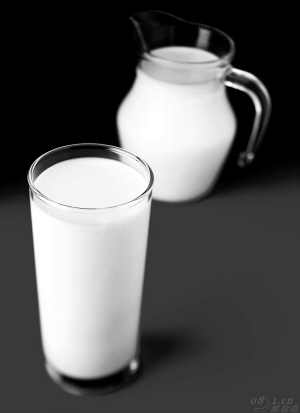
Properties: Sweet, neutral
Meridans Entered:
Primary: Heart, Lung and Stomach
Traditional Actions/Indications:
- Supplements deficiency, Tonifies Lung and Stomach Qi and nourishes the Blood
Deficiency Taxation, weakness, physical strain
Consumptive diseases, diabetes (消渴 Xiao Ke), anaemia
Stomach reflux, difficulty swallowing, throat Bi
- Promotes the secretion of body fluids and moisten the intestines
Constipation
- Resolves Toxicity
Jaundice, dysentery
Suggested Daily Dosage: Boil for drinking.
Cautions: Lactose intolerance. Deficiency Cold of the Spleen and Stomach, especially if drunk cold or in the form of ice cream.
It is widely thought generate Dampness or exacerbate Phlegm although this is not supported by the Chinese literature and may be an imposition of western health trends. Its capacity generate fluids may support this theory if the patient has Dampness or Phlegm due to Spleen deficiency.
Notable Constituents:
- Medium Chain Triglycerides
Dairy products are a natural sources of MCT oils, with approximately 10-12% MCT oil content. These are converted into ketone bodies that stimulate the shift in metabolism from glycolysis to mitochondrial fatty acid oxidation sought in ketogenic diets and fasts.
- Octanoic acid / Caprylic acid
C8 MCT constitutes 1-6% of the MCTs in milk depending on species (goats milk being highest, 5.8%, cow milk being around 1-3%, Breckenridge & Kuksis, 1967). This is the form most associated with ketogenesis.
- L-carnitine
A conditionally essential amino acid derivative found in striated muscle and kiver that mitochondria use to turn fat into energy, used therapeutically to stimulate gastric and pancreatic secretions, in the treatment of hyperlipoproteinemias, and as a nootropic. Present in 2 – 8 mg per 100g in milk. Dietary sources are much more bioavailable (87%) than supplements (14 - 18%) (Rebouche, 2004).
Notes:
Information is mainly taken from TCMwiki and Zhou, Xie, Yan (2011): Encyclopedia of TCM - Vol. 5 but with cross reference to Zhang Enquin (ed. in chief), 1988, Chinese Medicated Diet, reproduced in Dharmananda, 2005, GIVING OUT BAD ADVICE?
Different milks will have different nutritional properties and so may have different applications.
Appears in 1 formulae listed on this site: (click to display)
Research Links & References: (click to display)
Research Links:
Reference Notes:
Individual herb information has sourced mainly from TCM Wiki and American Dragon for basic data and then updated manually with my own notes. Zhou, Xie and Yan (2011): Encyclopedia of Traditional Chinese Medicines, Vol. 5, and A+ Medical Encyclopaedia have been used for entries not available from those sources with additional material searched for and filled in where available. Western herbs not appearing in the Chinese literature have used Ross (2010): Combining Western Herbs and Chinese Medicine: A Clinical Materia Medica, White Rabbit Institute of Healing and therapeutika.ch. Choices of which source to use or combine have been my own.
These pages are intended to assist clinicians and are not intended for self-diagnosis or treatment for which a qualified professional should be consulted. Actions and indications are taken from traditional uses and do not necessarily reflect the evidence base which should be researched independently. Dosages are for guidance only and will vary dependening on the potency of the batch and the tolerance of the individual so should be evaluated by a professional based on individual needs.