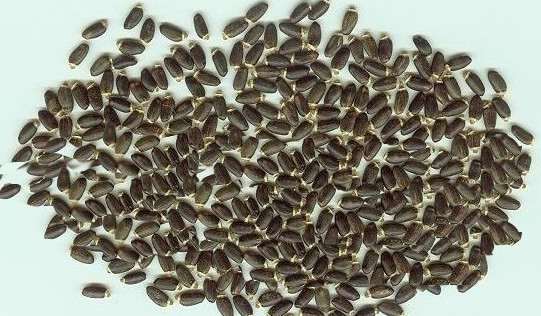
Properties: Bitter, neutral-cool
Meridans Entered:
Primary: Liver and Gallbladder
Traditional Actions/Indications:
- Clear Heat and resolve Toxicity
Damage to the Liver by poisons, medications, recreational drugs, pollutants and additives in food and drink
Adjunct to cancer therapy with hepatic weakness and accumulation of toxins
Adjunct to treatment of skin disorders associated with hepatic congestion and accumulation of toxins
- Dredge Liver and Gallbladder Qi
Chronic Hepatitis, chirrhosis, fatty liver disease, cholelithiasis and cholangitis
Adjunct to treatment of gynaecological disorders associated with hepatic congestion
Adjunct to diabetes therapy when accompanied by depression and irritability
Suggested Daily Dosage: 6-15g in decoction, although usually made into tablets with 70-200mg concentrated extract (70-80% silymarin) taken 3x per day as silibinin is insoluable in water.
Interactions:
- Metronidazole: Decreases metronidazole blood concentration.
Notable Constituents:
- Silymarin
A mixture of flavinoids with antioxidant and membrane stabilizing activity. It protects various tissues and organs against chemical injury, and shows potential as an antihepatoxic agent.
- Silibinin
Flavonolignan that is the major active constituent of silymarin that functions as an antioxidant, an antineoplastic agent and a hepatoprotective agent. It is also the only known antidote to poisoning by death caup mushroom (Amanita phalloides) if injected within 24 hours and is carried by pharmacies in France for this purpose.
Does not appear in any formulae listed on this site
Research Links & References: (click to display)
Research Links:
Reference Notes:
Individual herb information has sourced mainly from TCM Wiki and American Dragon for basic data and then updated manually with my own notes. Zhou, Xie and Yan (2011): Encyclopedia of Traditional Chinese Medicines, Vol. 5, and A+ Medical Encyclopaedia have been used for entries not available from those sources with additional material searched for and filled in where available. Western herbs not appearing in the Chinese literature have used Ross (2010): Combining Western Herbs and Chinese Medicine: A Clinical Materia Medica, White Rabbit Institute of Healing and therapeutika.ch. Choices of which source to use or combine have been my own.
These pages are intended to assist clinicians and are not intended for self-diagnosis or treatment for which a qualified professional should be consulted. Actions and indications are taken from traditional uses and do not necessarily reflect the evidence base which should be researched independently. Dosages are for guidance only and will vary dependening on the potency of the batch and the tolerance of the individual so should be evaluated by a professional based on individual needs.