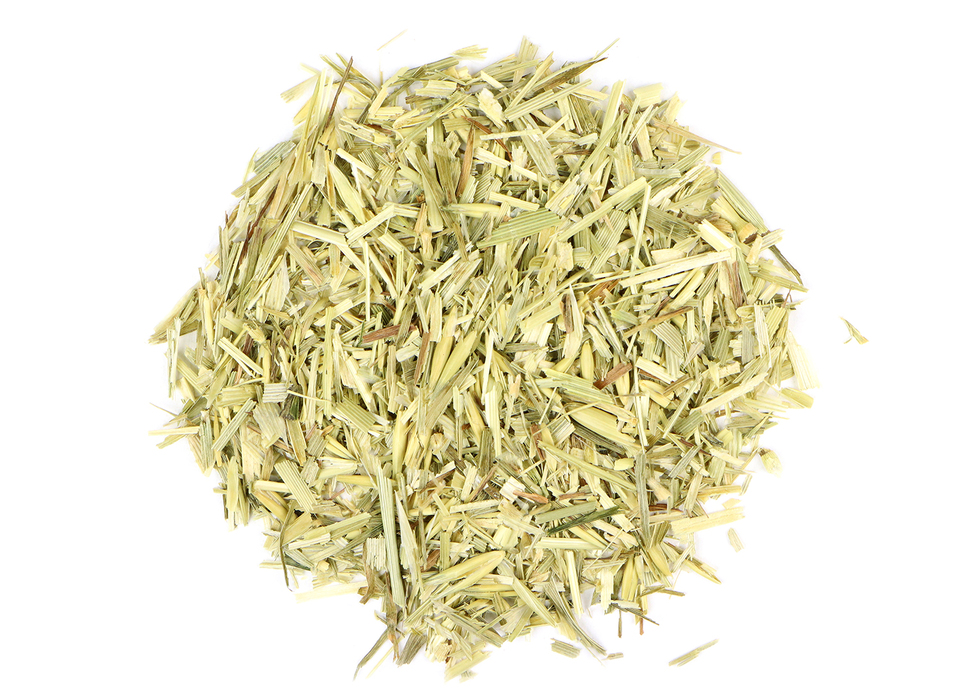
Properties: Bland, Sweet, Warm
Meridans Entered:
Primary: Spleen, Heart and Kidney
Traditional Actions/Indications:
- Nourishes Kidney Yin and Jing
Oesteoporosis, low bone density
Nocturnal emissions, impotence
Slow physical or mental development
- Tonifies Spleen Qi
Weight loss, loss of appetite, gastric irritation, fatigue, lack of energy, poor concentration
- Nourishes Blood
Poor circulation, cardiac weakness, high or low blood pressure, prevention of cardiac disease
Rash, eczema, chronic dermatitis, frostbite
Poor memory and concetration
- Calms the Spirit
Insomnia, nervousness, anxiety, worry, palpitations, restlessness, low attention span
Drug withdrawal
- Expels Wind
Wind-Cold or Wind-Heat Bi syndrome
Mucle spasms
Suggested Daily Dosage: 9-15g in decoction.
Notable Constituents:
- β-glucan
Polysaccharide isolated from the cell walls of bacteria, plants, and fungi with immunostimulant and antineoplastic activities. It can form a gel when digested in the small intestine, surrounding cholesterol-rich bile acid and preventing cholesterol from being absorbed and entering the blood.
- Lipase
Enzyme responsible for breaking down triglycerides into free fatty acids and glycerol by catalyzing the hydrolysis of the ester bonds in triglycerides. It is produced by the pancreas but also available from certain foods, for which oat flour was found to be the best source that is acid stable and so not broken down by the stomach (Tursi et al., 1994).
Notes:
Information is taken by combining https://www.whiterabbitinstituteofhealing.com/herbs/oats/, https://www.therapeutika.ch/Avena+sativa and https://baike.baidu.com/item/燕麦.
Does not appear in any formulae listed on this site
Research Links & References: (click to display)
Research Links:
Reference Notes:
Individual herb information has sourced mainly from TCM Wiki and American Dragon for basic data and then updated manually with my own notes. Zhou, Xie and Yan (2011): Encyclopedia of Traditional Chinese Medicines, Vol. 5, and A+ Medical Encyclopaedia have been used for entries not available from those sources with additional material searched for and filled in where available. Western herbs not appearing in the Chinese literature have used Ross (2010): Combining Western Herbs and Chinese Medicine: A Clinical Materia Medica, White Rabbit Institute of Healing and therapeutika.ch. Choices of which source to use or combine have been my own.
These pages are intended to assist clinicians and are not intended for self-diagnosis or treatment for which a qualified professional should be consulted. Actions and indications are taken from traditional uses and do not necessarily reflect the evidence base which should be researched independently. Dosages are for guidance only and will vary dependening on the potency of the batch and the tolerance of the individual so should be evaluated by a professional based on individual needs.