Alchemy can be understood as the art and science of transformation. It grew from a multitude of disciplines that utilised various techniques to implement changes. Its origins probably began in prehistoric times when the technology to extract metals from ore gave societies a huge technological advantage over their enemies making masters of metallurgy an elite class. These essential processes of extraction, refinement and recombination of metals to make them superior to their native form was also noted to apply to other fields such as the extraction of medicines and the creation of dyes.
Universal patterns to these systems of inducing change were devised based on the most central transformation of all: the unfolding of creation itself. This gave alchemy a spiritual aspect too, but one which could easily cross religious boundaries because it read nature as the ultimate holy book. By drawing parallels between the reactions observed in the laboratory and the transformation of the human soul, it could also become a spiritual discipline, aiming to burn away impurities and refine the spirit until it could be merged with another, the primordial source of all being, to become a superior version of its natural form. Similar patterns could be noticed in medicine where the patient must be transformed from a state of sickness to one of health. This also usually involved purging them of impure influences and then refining their lifestyle to promote wellness.
Although alchemy was eventually replaced by modern sciences which specialised in specific disciplines and abandoned the concept of identifying universal constants common to all processes of change, a study of the essential mechanisms of change is still essential to all therapeutic activities. Whether the transformation we seek is the best way to process or extract a medicine, or to trigger a lifestyle change or psychological paradigm shift within a patient, or foster personal growth within ourselves as practitioners, a study of the fundamental processes of transformation still has a role in the modern clinic.
The term alchemy never existed in China but relates to several arts that can be compared to the western term as we know it. 煉金 Lian Jin refers to the practice of "refining metals" and physical chemistry in ancient China while 煉丹 Lian Dan refers to "refining elixirs" and a number of practices aimed at refining the body and soul for the purpose of healing and reunification with the Dao. This second type is of most interest to the practice of medicine and is loosely separated into:
| The evolution of the modern Yin-Yang "Taiji" Symbol. |
||||
|---|---|---|---|---|
 |
 |
 |
 |
 |
| Yellow River Map (河圖), early inspiration for the Taiji symbol where odd is White/Yang and even is Black/Yin, 10th century BCE |
Early Taiji symbol Zhou Dunyi, Taiji Tu Shuo (太極圖說), 11th century |
Swirling Taiji, Zhao Huiqian, Liu Shu Ben Yi (六書本義), 14th century |
Taiji symbol, Lai Zhide, Yi Jing Lai Zhu Tu Jie (易經來註圖解), 1599 |
Taiji symbol with dots, Zhang Huang, Gu Tai Ji Tu (古太極圖), 1613 |
One of the most fundamental ways in which the Yi Jing was used to transform health was in describing the changes of seasons and the cycles of the sun and moon. Humans were observed to follow a parallel cycle and were encouraged to adapt their lifestyles according to the seasonal variations in daylight, temperature and weather. The Yellow Emperor's Inner Classic (黃帝內經 Huang Di Nei Jing, parts of which may date back to the 4th century BCE) recorded numerous ways in which sleep and activity should be modified according to the time of year and how 氣 Qi moves through a person according to the light of the day and the way that they eat, exercise and regulate their emotions. It also documents how sickness will befall someone who does not follow these cycles and becomes disconnected from the Way (道 Dao). Today we would understand this as circadian rhythms and the way that sleep, psychology and lifestyle can modify the immune system and affect health outcomes (NIGMS, 2023; Adam at al., 2017). Many interventions are suggested but acupuncture becomes one of the central modalities and is described in detail for the first time.
Another way in which the ancients noticed Yin and Yang intermingled to produce profound change is in sexual reproduction. This took on particular importance in the ancient world in the practice of sexual alchemy, known in Chinese as the "arts of the bedchamber (房中術 Fangzhong Shu)." It was noticed that the sexual act involved the unification of the Yin and Yang Qi of a woman and a man to create of a new life Essence (精 Jing), and that even without reproduction it could revitalise both parties, conferring considerable health benefits. A theory was postulated that this was due to the 精 Jing generated at the moment of orgasm, if not used to create a new life, could be used to restore the 精 Jing of the participants, restoring their youth. It was theorised that if the 精 Jing generated through orgasm could be maximised through the union of their different Qi (合氣 He Qi) during repeated controlled climaxes but prevented from uniting in the womb by limiting ejaculation, then it could be circulated inside the body and ascend the spine until it reached the brain and induced "Spirit Illumination (神明 Shen Ming)." This developed into a practice called Reverting Essence to Nourish the Brain (還精補腦 Huan Jing Bu Nao). This included a complete lifestyle system with physical and visualisation exercises, dietary and lifestyle advice with a variety of goals from increasing the chances of conception to improving health and lifespan.
Sexually conservative attitudes of later dynasties caused this form of alchemy became a secret practice, written in coded, poetic forms, if written down at all, which led to its gradual corruption. Some of the oldest documents on this technique, found in the the Mawangdui tomb (sealed 168 BCE), viewed 精 Jing as an abstract principle that was enclosed within the body but later commentators came to associate 精 Jing so closely with the physical substance of semen (精液 Jingye) that they became synonymous. Medical theories began to consider the loss of semen to cause accelerated ageing and shortening of life, leading to some bizarre practices of engaging in prolonged sex, often with multiple partners, considerably younger than the practitioner without ejaculating at all in order to absorb their youthful, abundant 精 Jing with the goal of becoming immortal instead of reproducing. This made it a controversial practice, condemned as a false practice as early as the 2nd century CE Xiang'er (想爾) commentary on the Dao De Jing by the early Celestial Master sect of Daoism, and as going against nature and therefore the Dao while providing only imaginary benefits that do not outweigh the benefits of having children by the Taiping Jing (太平經 section 42, also 2nd century CE). It was almost completely wiped out and the original texts destroyed in China, leaving only the Ishinpo (醫心方 10th century CE) which survived in Japan, until the discovery of the Mawangdui tombs revealed their original pre-Han forms.
Sexual alchemy did not completely disappear though, and the idea of unifying Yin and Yang to generate and nourish 精 Jing was sublimated into a symbolic form within the Neidan traditions. One example of this is the Microcosmic Orbit meditation that cycles 氣 Qi across the back (Yang) and front (Yin) aspect of the body in order to unite Fire (☲ Li) and Water (☵ Kan) at their meeting points, at perineum. The perineum is contracted, maintaining tension at this point in a method that is similar to how the sexual alchemists delayed their ejaculation, and the roof of the mouth where saliva is swallowed as it is generated, similar to how the sexual alchemy texts encourage the swallowing of the partner's fluids to ingest their opposing 氣 Qi, and both aim to generate 精 Jing, leading to the formation of a Sacred Embryo (聖胎 Sheng Tai) rather than a physical one.
While the traditional reasoning behind some of these practices may seem strange to us today, the essential principles of using sex to enhance health has been demonstrated by several studies. Regular sexual activity can have positive health benefits, enhancing the cardiovascular and emotional health (Brody, 2010; Mollaioli et al., 2021; Gianotten et al., 2023). The original aim of prolonging the activity can be seen as technology for enhancing these physical benefits and raising the emotional benefits to a level that can match those of intense religious experiences (Griffiths et al., 2019).
Some more conventional practices for transforming the self that have survived more or less intact include physical exercises. Some of the earliest include the imitation of animals to obtain their characteristics. These were probably derived from earlier shamanistic practices from the Shang and Zhou dynasties which evolved into ways of transforming the body. They are first mentioned by Zhuangzi (莊子, 4th century BCE) who documents exercises such as the "bear-hang" and the "bird-stretch," accompanied with breathing exercises intended to extend life. Visual depictions can also be found in the Gymnastics Chart (導引圖 Daoyin Tu, from the Mawangdui tomb, sealed 168 BCE) which depict exercises with these names as captions. A set of Five Animal Exercises (五禽戲 Wu Qin Xi) is mentioned by the legendary Han dynasty physician Hua Tuo (華佗, 2nd century CE) as a means of maintaining health by keeping the body mobile and cultivating each of the properties of the Five Phases and this set of exercises is still practised today. The imitation of animals in both body and spirit has continued to grow and develop in Chinese culture with the many animal styles of Kung Fu where practitioners study the behaviour and movements of an animal to create elaborate performances in their likeness. Today the benefits of exercised are recognised in all age groups as a preventative against mortality and morbidity (Dmitiri et al., 2020; Mora & Valencia., 2018).
Another early method for transforming the self to gain extended lifespan and spiritual illumination and even immortality was through the ingestion of various substances. Ingesting substances thought to have power (服食Fu Shi) is a common practice in Daoist literature and forms the basis of herbal medicine, but it also involved many substances whose power is symbolic as much as pharmaceutical. For example, it is a common practice to write incantations on paper, burn the paper and dissolve the ashes in water to drink and as mentioned above, the sexual fluids of the opposite gender were thought to hold special power and, later, ones own saliva, if imbued with visualised power, is swallowed during Neidan meditations. However, some other substances of great power included those with dramatic physical or chemical properties, often recognised as toxic today.
The most notable of these was the ingestion of cinnabar (mercury sulphide) but also included lead and arsenic compounds. The first Emperor, Qin Shi Huang wanted to reign forever and sent his court alchemist Xu Fu on a quest to discover an elixir of immortality in the 3rd century BCE. According to history, Xu Fu never returned and Qin Shi Huang's thirst for immortality led him to the ironic fate of being poisoned by mercury in the elixirs prepared by his court alchemists. Nevertheless, many early alchemists such as the anonymous Ling Bao masters (late 3rd century CE), Ge Hong (葛洪 3rd - 4th century CE) and Sun Si-Miao (孫思邈 6th century CE) included recipes involving these toxic substances, as well as violent herbal purgatives like poke weed and poison oak lacquer to expel the Three Worms and Hidden Corpses (三蟲伏尸, San Chong Fu Shi), parasitic entities thought to inhabit the body, feeding on the fermenting grains as they travel through the gut and leading us into shortened lifespans by influencing our behaviours towards decadent indulgence. The violent, bloody bowel movements induced by these herbs were seen as evidence of the expulsion of these foul entities while hallucinations they may have induced were seen as part of the spiritual struggle to be released from their grip. Most of these harsh purgatives have disappeared from use today with the exception of rhubarb root that is used in the short term as a laxative with minimal toxicity. The practice of ingesting heavy metals has also completely disappeared from practice since the recognition of their toxicity and Chinese medicine keeps up to date with the latest science in reporting on potential toxicity of herbs (Liu et al., 2020) in order to maximise the benefits while limiting the risks of ingesting substances.
As well as ingesting certain things, restricting the ingestion of other things that could harm the body was also a significant technique of transformation found in antiquity to increase longevity and develop extraordinary powers. The Huananzi (139 BCE) notes that "Those that feed on flesh are brave and daring but are cruel. Those that feed on Qi [attain] spirit illumination and are long-lived. Those that feed on grain are knowledgeable and clever but short-lived. Those that do not feed on anything do not die and are spirits," appearing to reveal an early understanding that the brain uses glucose as its main fuel source, but over consumption of carbohydrates shortens the lifespan. This is further expounded in the text Eliminating Grain and Eating Qi (卻穀食氣 Que Gu Shi Qi, from the Mawangdui tomb (sealed 168 BCE) which describes the practice of replacing grains with herbs before eventually replacing all solid food with Qi alone to achieve longevity. It states that "Those who eat grain eat what is square; those who eat vapour (氣 Qi) eat what is round. Round is heaven; square is earth," commonly taken to refer to a regime where food is entirely replaced by breath (氣 Qi). However, this seems to be absurd, since the authors would surely have died from starvation if they practised this, and writing was the domain of a highly intelligent elite at this time. Another possibility is that the properties extracted from herbs are also called 氣 Qi, under its more literal sense of vapour, and could have referred to the refined properties of various substances extracted in water which is held in high regard and something to be imitated in the Dao De Jing, and therefore maybe also something to be ingested.
This is supported by the earliest Materia Media, the Shen Nong Ben Cao Jing (神農本草經, 1st - 2nd centuries CE) that has many references within its superior classes of herbs, minerals and animal parts being consumed for a prolonged period providing one with unusual powers that seem to be related to a metabolic transformation. These include making the body light, resisting ageing, prolonging life, stopping forgetfulness, ending hunger and becoming resistant to heat and cold,. Also notable is the absence of most grains and regular carbohydrate sources from this list of herbs suggested for prolonged use and the inclusion of several animals fats suggesting it may have been an early form of a liquid keto diet. This could make sense as liquid diets are sometimes recommended in inflammatory conditions (Geesala et al., 2024), which might be necessary after taking the harsh purgatives indicated to expel the Three Corpse Worms. By ceasing to eat solid food, the amount of solid waste produced would be reduced, which, in this model of thinking, would indicate to these practitioners that the Three Worms were starved or even eliminated. This method is rarely practised today and fasting tends to involve either brief periods for religious purification (齋戒 Zhaijie), or a prolonged elimination of grains (辟穀 Bigu) which has been suggested to be an early keto diet (Lu et al., 2020) whose health benefits appear to be improved neurological health where it is used to control conditions like epilepsy (Ruan et al., 2022), and improved metabolic health leading to improvements in weight management (Zhou et al., 2022).
The practice of meditation has been a longstanding feature of Chinese methods for transforming the mind and spirit. This has also been researched extensively in modern times and been found to have considerable benefit for physical and mental health (Krittanawong et al., 2020; Sampaio et al., 2017). The practices of Fasting of the Mind (心齋 Xinzhai) and Sitting and Forgetting (坐忘 Zuowang) are first mentioned by Zhuangzi (莊子, 4th century BCE) and visualisation techniques that circulate Qi are described in the Inner Training manual (內業 Neiye, also 4th century BCE). These traditions, combined with a notice of the dangers of ingesting the many toxic herbs and minerals used in External Elixirs led to the Cantong Qi (參同契, 2nd - 5th centuries CE) that first explicitly described using the metaphors of metallic transformations and the phases of the Yi Jing along with quotes from the Dao De Jing as a meditation guide to refine the Spirit and obtain immortality by reconnecting to the cycles of nature and ultimately with the Dao. This represents the first text that can be truly described as "Internal Alchemy" (Neidan).
The essential principles of Neidan revolve around refining the existing substances found in the body: 精 Jing, 氣 Qi and 神 Shen. The 13th century Book of Balance and Harmony says:
"Making one's Essence (精 Jing) complete, one can preserve the body. To do so, first keep the body at ease, and make sure there are no desires. Thereby energy (氣 Qi) can be made complete.
Making one's energy (氣 Qi) complete, one can nurture the mind. To do so, first keep the mind pure, and make sure there are no thoughts. Thereby spirit (神 Shen) can be made complete.
Making one's spirit (神 Shen) complete, one can recover emptiness. To do so, first keep the will sincere, and make sure body and mind are united. Thereby spirit (神 Shen) can be returned to emptiness (虛 Xu). ...
To attain immortality, there is nothing else but the refinement of these three treasures: 精 Jing, 氣 Qi and 神 Shen."
This is often summarised as:
築基 (Zhuji)
Laying the Foundations
煉精化氣 (Lian Jing Hua Qi)
Refining Jing into Qi
煉氣化神 (Lian Qi Hua Shen)
Refining Qi into Shen
煉神還虛 (Lian Shen Huan Xu)
Refining Shen to return to Emptiness
煉虛合道 (Lian Xu He Dao)
Refining Emptiness to unite with the Dao
Today, Neidan practitioners often support their practice with specific diets or fasts, exercises, acupuncture and herbal regimes while Waidan practitioners pay attention to the mind and spirit to deliver a holistic treatment. This shows that Neidan and Waidan are rarely completely separated but integrated parts of a continuous cycle, as shown in the famous Yin-Yang diagram that lies at the root of all changes.
The Eight Extraordinary Vessels are often referred to in Neidan texts and so it is easily possible to incorporate these as part of a treatment protocol to initiate change on a deep, internal level. This level of change is not simply guaranteed by the insertion of needles though and needs to be accompanied by deep introspective practices at home. In these cases, the Vessels and points chosen can only invite the change, and be used as a focal point for a meditation session with a long retention time, while any issues relating to the change required can be brought up and discussed. Some of these vessels are also important focal points for meditation practices:
The Divergent Meridians may also have represented a set of meridians that relate to internal refinement too. The Ling Shu, ch. 11 states that they enable "people to be in harmony with the Dao of Heaven" (人之合於天道也) and that "the unrefined pass by, while the outstanding take pause" (此麤之所過 上之所息也). This suggests that these mysterious channels were related to practices of self-refinement to attain harmony with the Dao providing a plausible link to an early form of Neidan. The lack of points or treatment protocols given in this chapter may also suggest these were primarily visualisation pathways that run deep in the body used for these purposes instead of for regular therapeutic practice.
The science of transformation is not an exclusively Chinese phenomenon. In the western world, alchemy originated in Hellenistic Egypt during the 3rd century when Greek natural philosophy encountered the extraordinary metallurgic craftsmanship of Egyptian artisans. A specialist discipline emerged that combined the knowledge of metallurgists, pharmacists, textile workers and brewers to create a unified theory of creation, transformation and change. Greek texts were translated into Arabic and in the 9th century, several alchemical texts started to circulate under the purported authorship of Jabir ibn Hayyan. These were added to by other Islamicate alchemists who coined the term "alchemy" from "al-kīmiyā" (الكيمياء) meaning "[the science] of Egypt." In the 12th century, alchemy was introduced to western Europe by Robert of Chester who translated an Arabic work attributed to Khalid ibn Yazid into Latin under the title Liber de Compositione Alchemiae ("Book on the Composition of Alchemy") on 11th February 1144 marking the birth of alchemy in the Christian world. The idea of understanding creation by studying creation could be understood by people of all faiths, so many of their texts were copied, translated and shared between people of all faiths and none.
European alchemy shared a similar dualistic theory of creation to the Chinese, but derived from Aristotle and focused on the composition of matter rather than the relationship between two abstract principles. The basic idea was that there were two fundamental elements, sulphur and mercury, whose mixture gave various metals their properties. It was theorised that if one could get the balance of sulphur and mercury exactly right through the methods of refining and amalgamating different metals, it would be possible to transform a base metal into gold. This meant that there was initially less focus on the sexual aspects of the mingling of opposites and more on the chemical and physical properties of things, although this metaphor was sometimes used to represent the conjunctio phase of the process, when the purified and refined sulphur and mercury elements were reunited in the perfect balance to produce the "Philosophical Gold." Unfortunately they were unaware of the modern theory of chemical elements which identifies gold as an element itself, and therefore impossible to make through the mixture of other metals, but their experiments did lead to many discoveries of metallurgy and natural science.
A medical branch of this science, also derived from Greek medical thinkers like Hippocrates and Galen, proposed that living systems were made from two sets of opposing principles: the hot and cold, wet and dry. The combinations of these resulted in four elements: fire (hot and dry), air (hot and wet), water (cold and wet), and earth (cold and dry). In the body, these were the four humours: bilious, sanguineous, serous, and atrabilious and different parts of the body had a different constitution of humours depending on their structure and function. People also had an overall balance which led to their temperament, described as choleric, sanguine, phlegmatic and melancholy, which would predispose them to certain lifestyles and health outcomes. Good health came from good quality humours in relative balance, while disease was the result of imbalance or corruption of these humours. Treatment aimed at adjusting the balance of these humours through diet, lifestyle and medicines, or expelling corrupt or excessive humours through purging and bloodletting.
This form of medicine developed during the Islamic Golden Age through great alchemist-physicians like Al-Razi (Rhazes, 10th century) and reached its peak with Ibn Sina (Avicenna, 11th century). Ibn Sina rejected the notion that base metals could be transmuted into gold and instead focused on the role of chemicals in the treatment of disease, the toxicity of others, the use of alcohol to sterilise and the importance of good quality air, water, food, activity and rest to prevent disease and restore health once it was lost. His Canon of Medicine, completed in 1025, became the central reference text for medicine throughout the western world until the 18th century. This included Christendom, where several subsequent alchemists added to this knowledge, including the anonymous authors of the Pseudo-Lullian and Pseudo-Arnaldian corpus, and John of Rupescissa in the 14th century, who aimed to find a universal medicine that would benefit rich and poor alike. Rupescissa discovered that distilled alcohol could be used to preserve things and extract medicinal properties from plants, believing it to be the quinta essentia ("fifth essence") of wine, and Aqua Vitae, the Water of Life.
A major paradigm shift in European alchemy occurred with Paracelsus in the 16th century. A gifted physician and alchemist, Paracelsus rejected the earlier humoural model of medicine and adopted a system based on three essential principles: the volatile (sulphur), the fluid (mercury) and the fixed (salt). Instead of viewing these as actual sulphur, mercury and salt, these were principles that could be found throughout nature, explained through the transformation of burning wood: part completely combusts (the volatile sulphurous aspect), part transforms into smoke (the fluid mercurial aspect), and part remains unchanged as ash (the fixed salty aspect). Disease arose from the microcosm losing harmony with the macrocosm which could be corrected by ingesting various substances. Since all things in nature contain these principles in various proportions, many substances found throughout nature could be harnessed to restore this balance. Those with a particularly strong aspect could be easily toxic by upsetting this balance with the slightest overdose, but in small doses, they could be therapeutic and used to restore harmony in the organism. His famous saying "only the dose makes the poison" has earned him the title "The Father of Toxicology." This shifted in the alchemical paradigm from literally attempting to transmute base metals into gold, to this being a metaphor for seeking the valuable medical properties ("gold") to be extracted from common materials ("base matter") and ushered in a new age of pharmacy and entrepreneurial alchemy that led to many new technologies. His model of health as the restoration of harmony with the cosmos and the method of ingesting substances with specific kinds of potency to restore this has many similarities with Chinese medical alchemy.
However, alchemy was more than just experimental science and has always contained a metaphysical component since its earliest origins. Zosimos of Panopolis, often considered the earliest documented alchemist in 3rd century Alexandria, was an Egyptian priest whose knowledge of metallurgy and chemistry came from his role in funerary rites and the making of elaborate ritual items like the famous mask of Tutankhamun. Shortly after the rediscovery of alchemy by the Arabs, Ibn Umayl, writing in 10th century Baghdad, considered alchemical symbolism to be a metaphor supporting various Qur'anic verses, especially the imperative to reflect upon signs of nature to find proof of God's work.
In the 15th century, when the Corpus Hermeticum, a collection of spiritual writing attributed to the legendary Hermes Trismegistus, became available and was translated into Latin by Ficino and Lazzarelli, it became so closely associated with alchemy that it was often referred to as "the hermetic art." At the same time, Pico della Mirandola began to incorporate Jewish Qabalah into alchemy, a relationship further sealed by Agrippa in the 16th century in his highly influential Three Books of Occult Philosophy (1532). The 17th century saw the emergence of Rosicrucianism, which became very popular with alchemists due to one of its central texts, the Chymical Wedding of Christian Rosenkreutz, borrowing heavily on alchemical and hermetic symbolism. It was this search for the occult forces that governed the world and familiarity with unconventional religious ideas that made alchemists both respected and feared for their potential knowledge and possible interactions with forces unseen. However, the focus of alchemy was almost always practical, with the main spiritual component being a requirement that the alchemist be spiritually pure if they were to be granted leave by God to achieve any substantial change in matter.
In the 17th century this began to change. Jakob Böhme received a religious vision that he interpreted using alchemical symbolism to represent salvation as a transmutation of the soul back to its divine state, with Christ as the Philosopher's Stone. This spiritual approach along with the newly acquired medical direction of alchemy started to equate "Philosophical Gold" with an "Elixir of Life" which could cure all diseases and confer eternal life and youth upon those who discovered it, clearly echoing of the Chinese alchemist's quest for immortality. Certain legendary figures that had acquired a great reputation for alchemy such Nicolas Flamel (14th century) and the Comte de Saint Germain (18th century) were rumoured to have found this secret and still be alive years after their supposed death. Concepts like the homunculus of Paracelsus, originally a concept of a human life generated by art instead of through natural conception, was re-imagined as the rebirth of a higher, spiritual self, mirroring the Spiritual Embryo of Chinese Neidan.
As the profession of chemistry emerged and begun to separate themselves from their alchemist ancestors, alchemy begun to decline as a practical profession and become increasingly a psycho-spiritual metaphor. This was sealed in the 19th century, when occult author Mary Anne Atwood published A Suggestive Inquiry into the Hermetic Mystery (1850) which subsequently influenced Theosophists and occultists during the occult revival. It also influenced Carl Jung, whose book on Psychology and Alchemy (1944) brought alchemy as a metaphorical system of individuation to mainstream academic interest. By the end of the 20th century, alchemy had become almost completely divorced from physical experimentation and viewed entirely through the lens of the psycho-spiritual.
The 20th century also saw the rediscovery of sexual alchemy in the west. Christian attitudes towards sex had meant that sexual language in alchemy was largely allegorical and referred to chemical conjunctions or mystical union. It was usually phrased within the language of marriage, with other forms of sexuality often demonised and punished as witchcraft or heresy. Even after the enlightenment, sexual attitudes remained much the same, with a few notable exceptions. At the end of the Victorian era, the controversial occultist Aleister Crowley started to explore these metaphors in the light of non-Christian practices like tantra and pagan Babylon and Egypt, much to the shock of society. His writings, although still veiled in secrecy and coded language, implied that the orgasm was a powerful moment when opposite aspects of the psyche united to become transcendent, a moment which could be harnessed for spiritual or practical purposes. His most unique addition was that his psychological view of the process also allowed the possibility of homosexual and auto-erotic practices to achieve this result by uniting the male and female principles within oneself based on the roles being taken. The shockwaves that Crowley sent through society made him a influential figure for many later counter-cultural icons of the 60's and triggered the sexual revolution in the west. In terms of the history of alchemy, it appears as though the east and west followed opposite trajectories, eventually forming a complete circle. While in China, alchemy started with the concept of Yin and Yang that quickly led to sexual alchemy, which gradually suffered a decline and sublimation into self-cultivation symbolism; in the west alchemy begun with the concept of mercury and sulphur as physical elements that eventually became symbolic spiritual metaphors which were reinterpreted as sexual practices by Crowley. The discovery of the Mawangdui Tombs, sealed in 168 BC and opened in 1973, and the scrolls contained within, act like a seal that makes this circle complete.
Many of the world's greatest thinkers were alchemists, including many of the founders of modern sciences. These include physics (Newton), chemistry (Boyle), pharmacology (Paracelsus), experimental medicine and psychotherapy (Rhazes), and even the scientific method itself (Descartes, although Ibn al-Haytham developed a similar method 600 years earlier). Even in the modern age, alchemical ideas continued to inspire scientists: Kekulé, the principle founder of modern chemical theory, discovered the circular structure of benzene in 1862 after a dream-like vision of a snake biting its own tail, a famous alchemical symbol dating back to alchemy's distant past in ancient Egypt.
| The ouroboros symbol, one the most enduring alchemical symbols representing the the unity of apparent duality in eternity. Note the similarity to the Chinese Yin-Yang symbol, below. | ||||
|---|---|---|---|---|
 |
 |
 |
 | |
| Earliest Ouroboros symbol, King Tutenkhamun's tomb, 14th century BCE, Egypt |
"All in One," Chrysopoea of Cleopatra, Cleopatra the Alchemist, 3rd century, Alexandria |
Bird Variant of the Ouroboros, found in Ibn Umayl's The Silvery Sea and the Starry Earth, Story: 10th century, illustration: 1339, Baghdad |
Double Ouroboros of Abraham Eleazar, Uraltes Chymisches Werk, 1760, Leipzig |
|
Despite this, the term alchemy has fallen into disrepute today but continues to influence many modern ways of thinking. Scientific investigation has become so influential that most major world religions now accept the idea that science and scripture should be brought into harmony and often draw upon scientific metaphors to explain their philosophies. Certain healing modalities also use scientific language to explain their effects, often blurring the lines between spirituality and science through reinterpretations of concepts like quantum physics, molecular biology and internal medicine. Some investigators of the Yi Jing have also drawn comparisons with the binary number system of computer sciences, or the polarity of subatomic particles.
Many of the goals of alchemy continue among scientists today. Physicists have succeeded in generating small amounts of gold in a particle accelerator, albeit minute amounts that costs millions to produce, and the majority of modern drugs are derived from natural compounds, which developed from the Paracelsian principle of analysing plant, animal and bacterial substances for their healing properties. In neuroscience, another Paracelsian concept, the homunculus, was chosen by Wilder Penfield to refer to the cortical map of our sensory perceptions in the brain. In addition, many schools of psychology still draw upon Jung's analogies of alchemy or practices found in eastern philosophy to transform their patients. Medicine also continues to seek an "Elixir of Life" as it searches for the true causes of disease and ageing with advances in genetics, the microbiome and mitochondria slowly drawing this closer to reality.
 Of these, mitochondria have long been known as the "powerhouse the of the cell" for their role in transforming the food we eat and the air we breathe into chemical energy that our cells can use, along with "free radicals" produced as a by-product. However, the notion that energy is good and free radicals are bad is becoming increasingly challenged as both are important signalling molecules which, in the right balance, promote health and facilitate adaptation, but when imbalanced cause disease and the degenerative changes associated with ageing. This is making them potential targets for multiple diseases and even the extension of lifespan itself.
This makes mitochondria surprisingly similar to many alchemical ideas. Their ability to break molecules down into their basic units of oppositely charged particles and use this polarity to generate the energy that fuels life, and their role in creating many of the essential building blocks of cellular reproduction, which both govern our health and lifespan run parallel to alchemical ideas of creating something new by breaking down and refining the base elements in the environment. Even though the concept of oxidation was not understood as we conceive it today, many Chinese medical ideas seem to parallel this notion in the language of its time.
Qi 氣 is often translated as "breath," which is described as being like a bellows (cf. Dao De Jing ch. 5 and Cantong Qi, ch. 1) that fans the Fire of Life (Ming Men Huo 命門火, cf. Nan Jing ch. 8 & 36). Fire is an oxidation reaction and mitochondria carry out controlled oxidation reactions throughout our bodies in order to convert carbohydrates, fats and occasionally proteins into chemical energy. Furthermore, Qi runs through the channels along with Blood in a clear parallel to the binding of oxygen with haemoglobin. Where there is injury or disease, Qi is often said to be Stagnant, but the term more literally means "Qi Excess" (Qi Shi 氣實), implying that excess oxidation is happening at this location, or systemically. Excess Qi leads to Heat (Re, 熱) or Fire (Huo 火), which implies that excessive oxidation is occurring and the body is under oxidative stress. This is sometimes useful, such as in the expulsion of Cold-type pathogens, mimicking how the immune system uses oxidative stress to destroy foreign microbes, but the long term effect of chronic Heat is damage to the Kidneys, the water aspect of the body, which govern our natural lifespan, similar to the Free Radical Theory of Ageing. Even more extraordinary is that the Chinese recognised that either Excess or Deficient Qi was harmful, predicting the modern discoveries that a complete lack of oxidative stress is actually harmful since it is required for cellular adaptation, as seen in the health benefits of exercise.
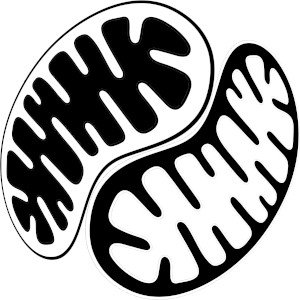 It is therefore also unsurprising that many of the ancient Chinese medical and longevity practices can affect mitochondria, such as exercises, fluctuations in oxygen levels through breath control during meditation, mildly stressing the immune systems with bodywork and supplementation with external substances. Many herbs that regulate Qi and Blood, clear Heat and nourish the Kidneys are packed with antioxidants, while many tonics are recognised as adaptogens that provide mild stress to the mitochondria, triggering their adaptation response and making them stronger. The Nan Jing ch. 81 even warns to "not deplete the deficient or replete the excess" echoing another modern realisation that antioxidants may inhibit adaptation responses while adaptogens are adding stressors to those already under oxidative stress. These examples show how ancient wisdom, combined with modern insights to better understand the mechanisms and contexts where we can use these practices can result in methods of improving our health without the need for expensive new technologies.
Woodley Bioenergetics
90 Deane Croft Road,
Eascote, Pinner, Greater London. HA5 1SP
Tel/WhatsApp: +44 (0) 7946 174 829
Email: steve@steve-woodley.co.uk


